




Cordless vs Corded Rotary Tools: Which Is Better for You?
When it comes to DIY projects, crafting, engraving, sanding, polishing, or light cutting, a rotary tool is one of the most versatile tools you can own. But before choosing one, many users face a common question:
Should you choose a cordless rotary tool or a corded rotary tool?
Both options have their advantages and limitations. The right choice depends on how you work, where you work, and what you expect from your tool. In this guide, we’ll break down the key differences between cordless and corded rotary tools, compare their performance in real-world scenarios, and help you decide which one is truly better for you.
What Is a Rotary Tool?
A rotary tool is a compact, high-speed power tool designed for precision tasks. By switching accessories, one rotary tool can perform dozens of functions, including:
-
Sanding and grinding
-
Polishing and buffing
-
Cutting metal, plastic, or wood
-
Engraving and carving
-
Drilling small holes
-
Cleaning rust or corrosion
Rotary tools are widely used by DIYers, hobbyists, model makers, jewelry designers, woodworkers, and home repair users.
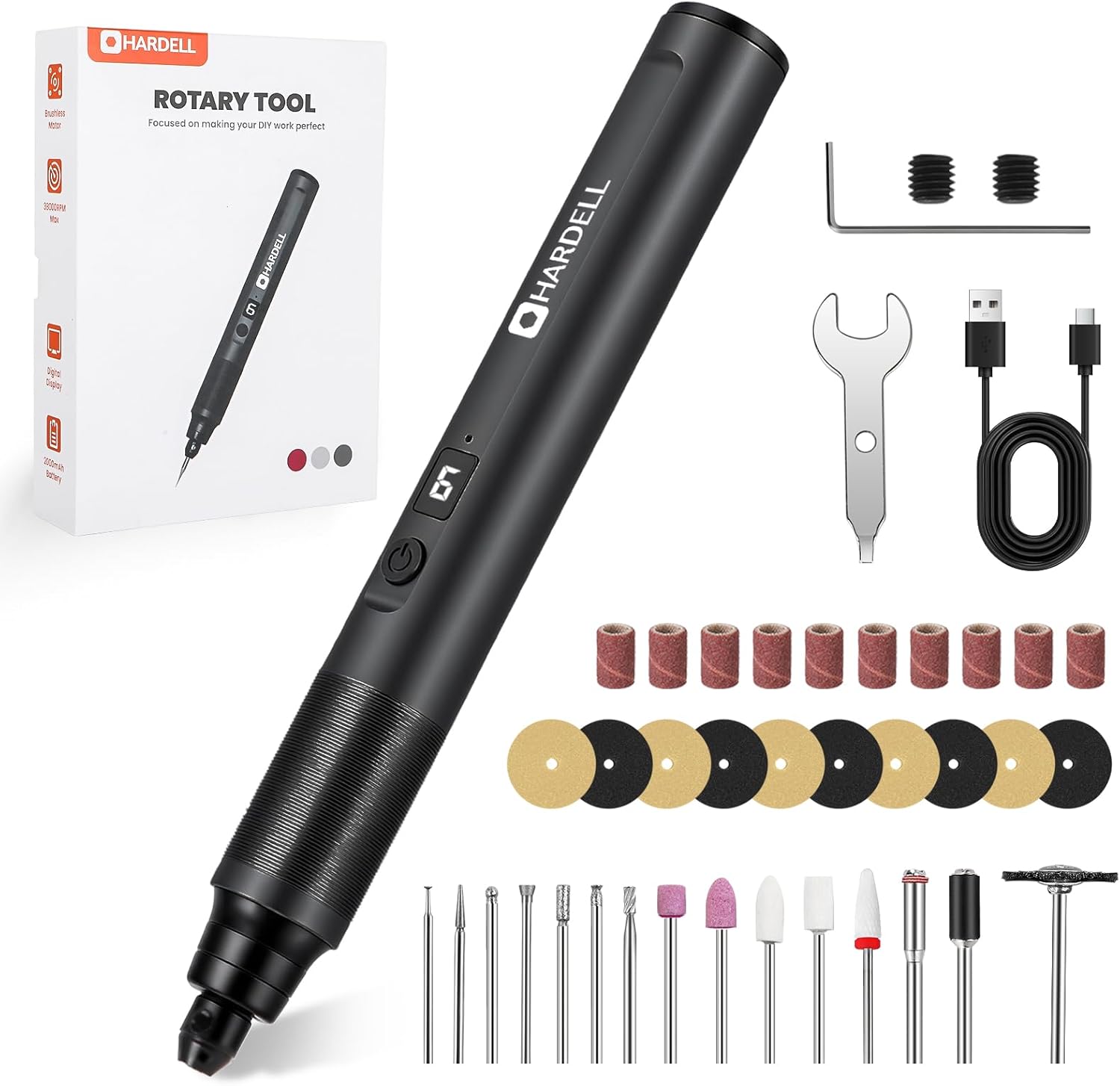
Understanding Cordless Rotary Tools
What Is a Cordless Rotary Tool?
A cordless rotary tool runs on a rechargeable lithium-ion battery, allowing you to work without being connected to a power outlet.
Advantages of Cordless Rotary Tools
1. Portability and Freedom of Movement
The biggest advantage of a cordless rotary tool is mobility. You can use it anywhere—garage, backyard, workshop, or even outdoors—without worrying about extension cords.
This makes cordless rotary tools ideal for:
-
Outdoor projects
-
On-site repairs
-
Tight or elevated spaces
-
Quick fixes around the house
2. Lightweight and Compact Design
Most cordless rotary tools are designed to be smaller and lighter, reducing hand fatigue during detailed or long sessions. This is especially important for engraving, carving, or model making.
3. Beginner-Friendly
Cordless models are often easier to handle and feel less intimidating, making them a popular choice for beginners and casual DIY users.
4. Safer Work Environment
Without a cord, there’s less risk of tripping or accidentally pulling the tool off a workbench.
Limitations of Cordless Rotary Tools
1. Battery Life
Battery capacity limits continuous use. High-speed or heavy-duty tasks can drain the battery quickly, especially on smaller models.
2. Power Output
Although modern cordless rotary tools are powerful, they may not deliver the same consistent torque as corded models for extended heavy-duty work.
3. Charging Time
Once the battery is depleted, you’ll need to recharge or swap batteries, which may interrupt your workflow.
Understanding Corded Rotary Tools
What Is a Corded Rotary Tool?
A corded rotary tool plugs directly into a power outlet, delivering continuous electrical power without relying on batteries.
Advantages of Corded Rotary Tools
1. Consistent and Strong Power
Corded rotary tools provide stable performance, even at high RPMs. They are better suited for:
-
Long working sessions
-
Cutting thicker materials
-
Grinding metal
-
Professional or workshop use
You never have to worry about power fading halfway through a project.
2. Unlimited Runtime
As long as you have electricity, you can work without interruption. This is a major advantage for users who work for hours at a time.
3. Better for Heavy-Duty Tasks
Corded tools usually handle high-load applications better, making them a preferred option for advanced users and professionals.
4. No Battery Maintenance
There’s no need to monitor battery health, charging cycles, or battery replacements over time.
Limitations of Corded Rotary Tools
1. Limited Mobility
The power cord restricts movement and requires access to an outlet. Extension cords may be necessary in larger spaces.
2. Heavier Form Factor
Corded rotary tools are often slightly heavier, which can increase fatigue during precision work.
3. Less Convenient for Quick Jobs
For small, fast tasks, setting up a corded tool may feel less convenient than grabbing a cordless one.
Cordless vs Corded Rotary Tools: Key Comparison
| Feature | Cordless Rotary Tool | Corded Rotary Tool |
|---|---|---|
| Power Source | Rechargeable battery | Electrical outlet |
| Portability | Excellent | Limited |
| Runtime | Battery-dependent | Unlimited |
| Power Stability | Moderate to high | High and consistent |
| Weight | Lighter | Slightly heavier |
| Best For | DIY, crafts, mobility | Workshops, heavy use |
Which Rotary Tool Is Better for Different Users?
For DIY Beginners and Hobbyists
A cordless rotary tool is often the better choice. It’s easy to use, portable, and perfect for light to medium tasks like sanding, polishing, and crafting.
For Model Makers and Precision Work
Cordless rotary tools shine in precision applications due to their lightweight design and maneuverability.
For Home Workshops and Professionals
A corded rotary tool is usually the better option if you:
-
Work for long periods
-
Need stable power at high RPM
-
Perform cutting or grinding regularly
For Mixed Use
If budget allows, many users eventually own both:
-
Cordless for quick jobs and mobility
-
Corded for demanding, long-duration tasks

